Diet in India has one of the most diverse food cultures in the world. From home-cooked meals in villages to fast food in big cities, the way people eat across the country reflects tradition, culture, and changing lifestyles. But as India modernizes and urban life becomes faster, the diet of the Indian population is also changing, bringing both positive and negative effects on health.
Understanding how Indians eat today—what’s good about it and what needs improvement—can help people make better food choices and live healthier lives.
The Traditional Diet in India : A Strong Foundation
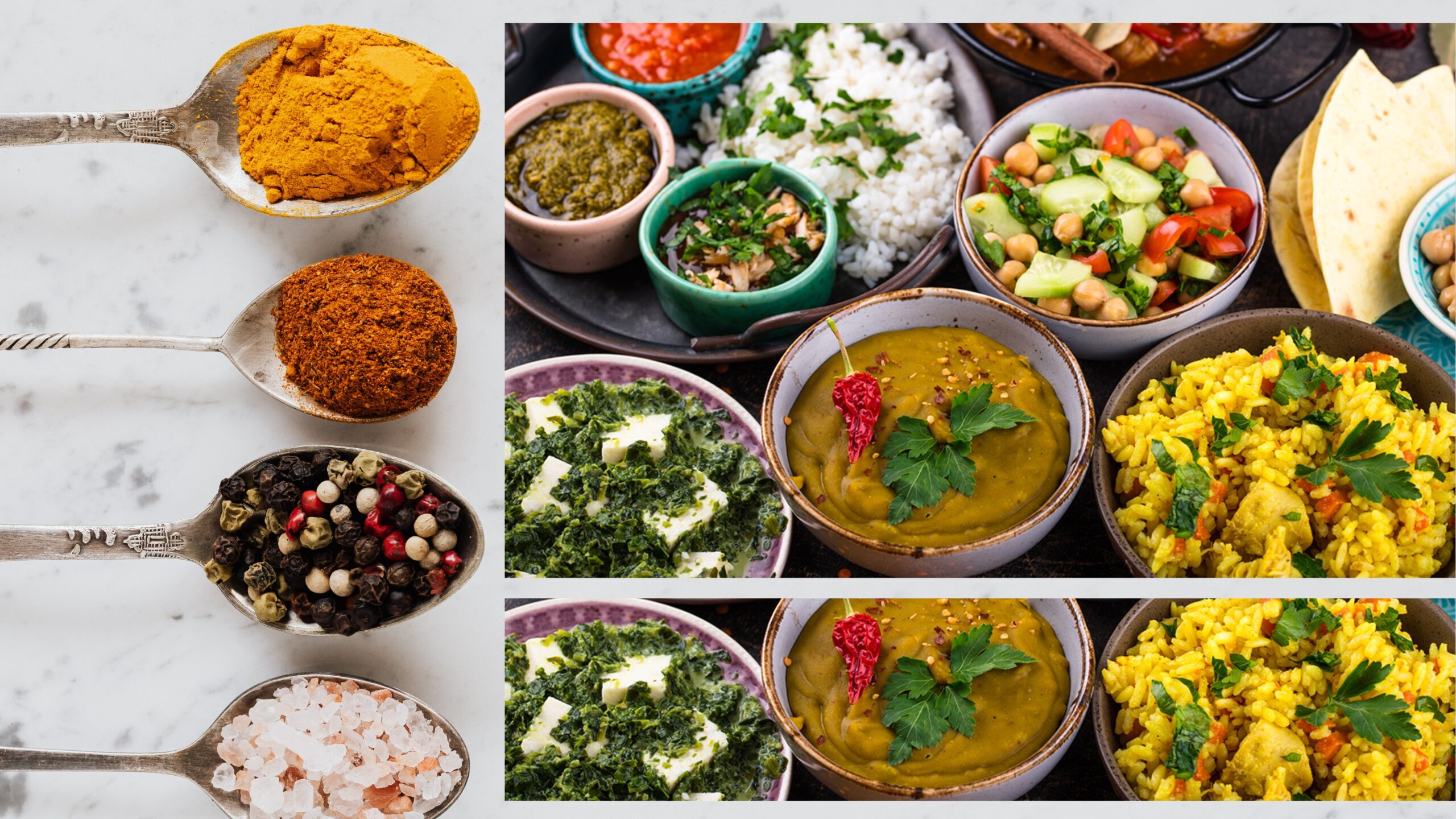
For centuries, the traditional Indian diet has been largely home-cooked and plant-based. A typical meal in many households includes:
- Whole grains such as Roti or Rice
- Lentils like Dal
- Seasonal vegetables
- Yogurt or Curd
- Pickles and chutneys for flavor
This type of Diet in India traditionally provided a good balance of carbohydrates, fiber, and plant proteins. Many dishes are cooked with spices such as Turmeric, Cumin, and Ginger, which are known for their health benefits.
In rural areas especially, people still rely heavily on fresh ingredients and simple cooking methods, which is often healthier than processed food.
How Eating Habits Are Changing in Modern India
Diet in India the past two decades, India has seen rapid urbanization, busy work schedules, and increased exposure to global food trends. As a result, many people now consume more processed and packaged foods.
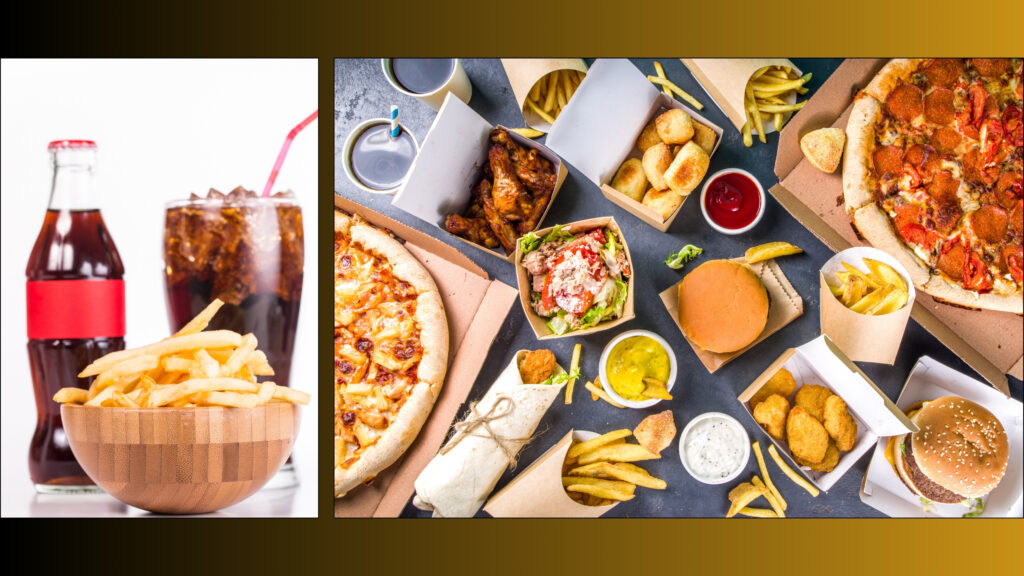
Fast food chains and delivery apps have made foods like Pizza, Burger, and sugary beverages more common in everyday diets.
In cities, many young professionals skip traditional meals and rely on quick snacks, instant noodles, or takeaway food. This shift has led to higher consumption of:
- Refined carbohydrates
- Added sugar
- Saturated fats
- Highly processed foods
While convenience has improved, nutrition has often taken a back seat.
Good Points About the Indian Diet
Despite these changes, there are still many positive aspects of Indian eating habits.
1. Strong Vegetarian Tradition
A large portion of the Indian population follows vegetarian diets. Lentils, beans, and legumes provide valuable plant-based protein and fiber.
2. Use of Spices With Health Benefits
Many Indian spices have antioxidant and anti-inflammatory properties.
For example, turmeric contains Curcumin, which is studied for its potential health benefits.
3. Home-Cooked Meals
Unlike many Western countries, home cooking is still common in India. This means meals are often fresher and less processed.
4. Seasonal Eating
In many regions, people still eat fruits and vegetables based on seasonal availability, which supports better nutrition.
Health Challenges Linked to Modern Diets
While India’s traditional diet has many strengths, modern eating habits are creating new health challenges.
Rising Lifestyle Diseases
Poor dietary choices combined with sedentary lifestyles are contributing to conditions such as:
- Type 2 Diabetes
- Hypertension
- Obesity
- Heart Disease
India is already among the countries with the highest number of diabetes cases worldwide.
Too Much Oil and Sugar
Many Indian dishes are delicious but sometimes cooked with large amounts of oil, butter, or ghee. Sweets are also deeply connected with festivals and celebrations, which can increase sugar intake.
Low Protein Intake
Even though India has a vegetarian tradition, many people still consume less protein than recommended. Diets heavily focused on rice or wheat without enough pulses, dairy, or nuts may lack balanced nutrition.
Rural vs Urban Diet Differences
There is also a noticeable difference between rural and urban diets.
In rural areas:
- People eat simpler meals
- Food is often fresher
- Physical activity levels are higher
In urban areas:
- Processed foods are more common
- Sedentary lifestyles are increasing
- Eating out is frequent
Both regions face challenges—rural areas sometimes struggle with undernutrition, while cities deal more with obesity and lifestyle diseases.
Simple Advice for a Healthier Diet
Improving health does not require drastic changes. Small daily habits can make a big difference.
Eat More Whole Foods
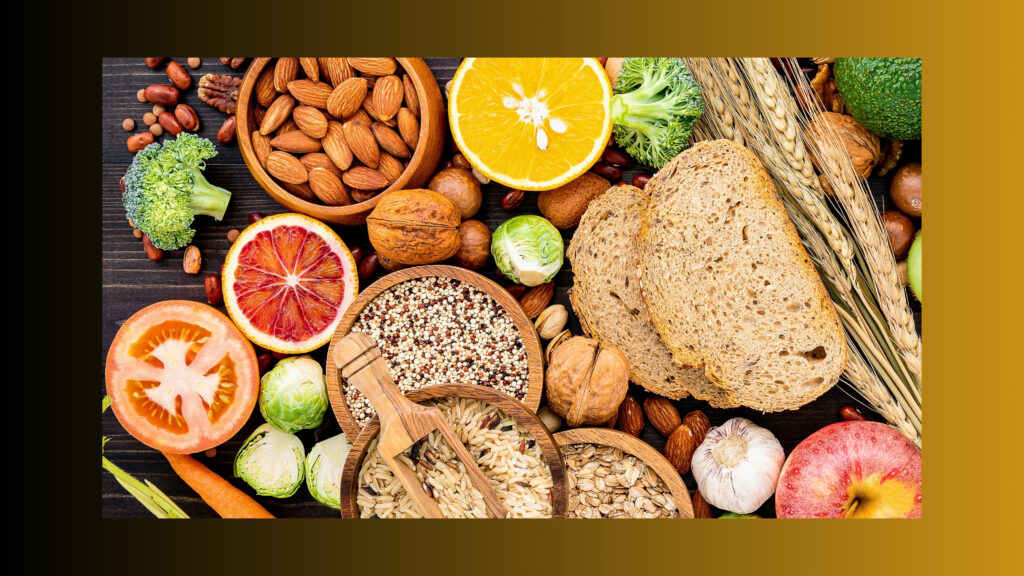
Focus on natural foods like vegetables, fruits, whole grains, and legumes.
Reduce Processed Food
Limit packaged snacks, sugary drinks, and fast food.
Balance Your Plate
A healthy Indian meal should include:
- Whole grains
- Protein sources such as dal, paneer, eggs, or beans
- Plenty of vegetables
Control Portion Sizes
Overeating—even healthy food—can lead to weight gain.
Stay Physically Active
Regular walking, yoga, or exercise helps maintain good health.
You may also like this : Who Is Chris Kempczinski?
The Way Forward for Better Health
India’s food culture is rich and nutritious when practiced in its traditional form. The challenge today is balancing tradition with modern lifestyles.
By focusing on fresh ingredients, balanced meals, and mindful eating, people can enjoy the best of Indian cuisine while protecting their health.
A healthy future for India doesn’t mean abandoning traditional foods—it means returning to their healthier roots while adapting them for modern life.
With better awareness, improved nutrition education, and smarter food choices, the Indian population can move toward a healthier and more balanced lifestyle.