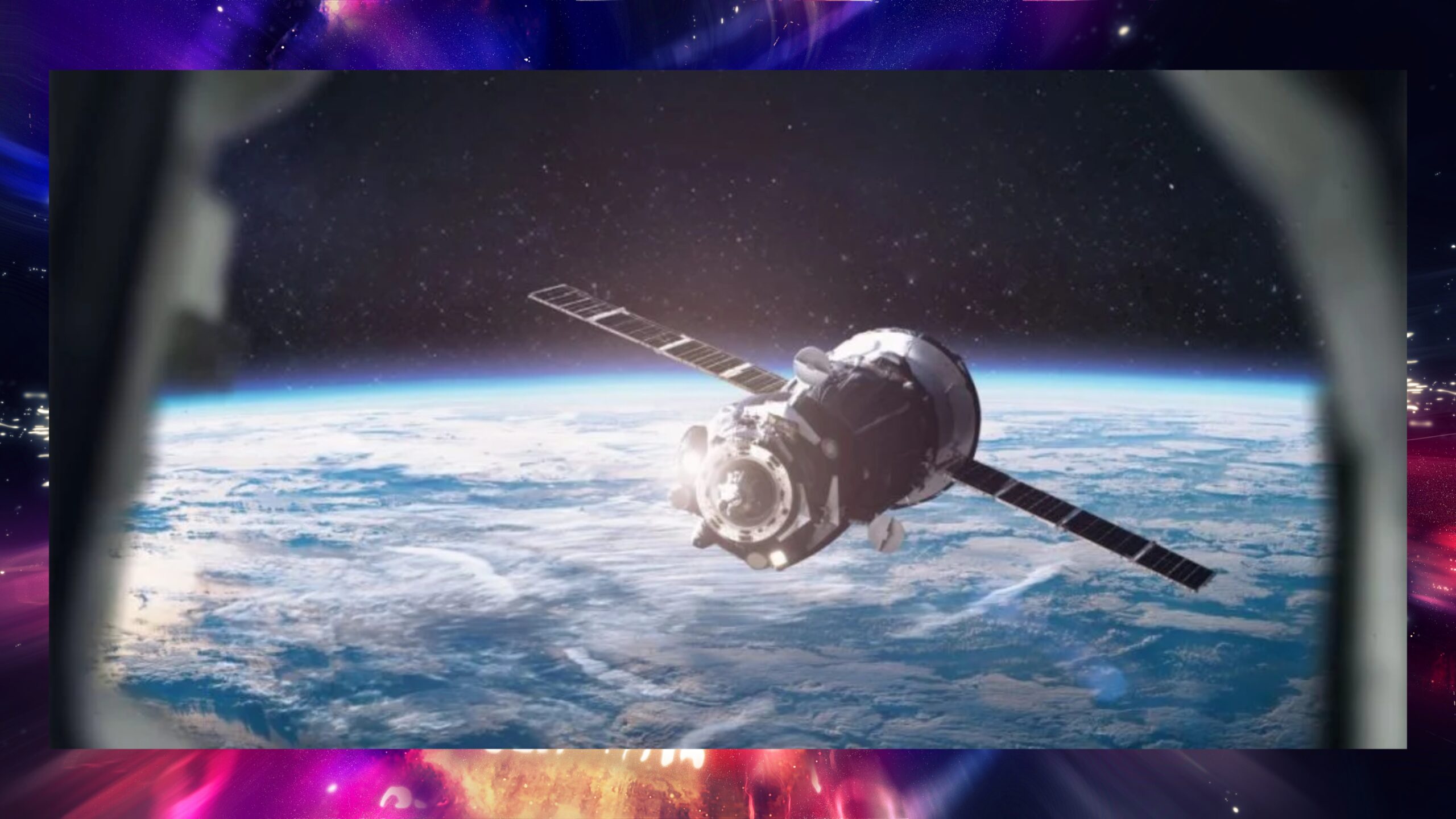
A defunct NASA spacecraft unexpectedly plunged back into Earth’s atmosphere earlier than scientists had originally predicted. The spacecraft, part of the Van Allen Probes, reentered the atmosphere on Wednesday morning, marking the end of a mission that significantly improved our understanding of the radiation environment surrounding Earth.
According to NASA, most of the spacecraft was expected to burn up during the intense heat of reentry. However, experts said that a few small pieces might have survived the fiery descent and reached Earth’s surface.
Although the possibility existed, officials emphasized that the chances of any debris harming a person were extremely low.
What Was the Van Allen Probe Mission?
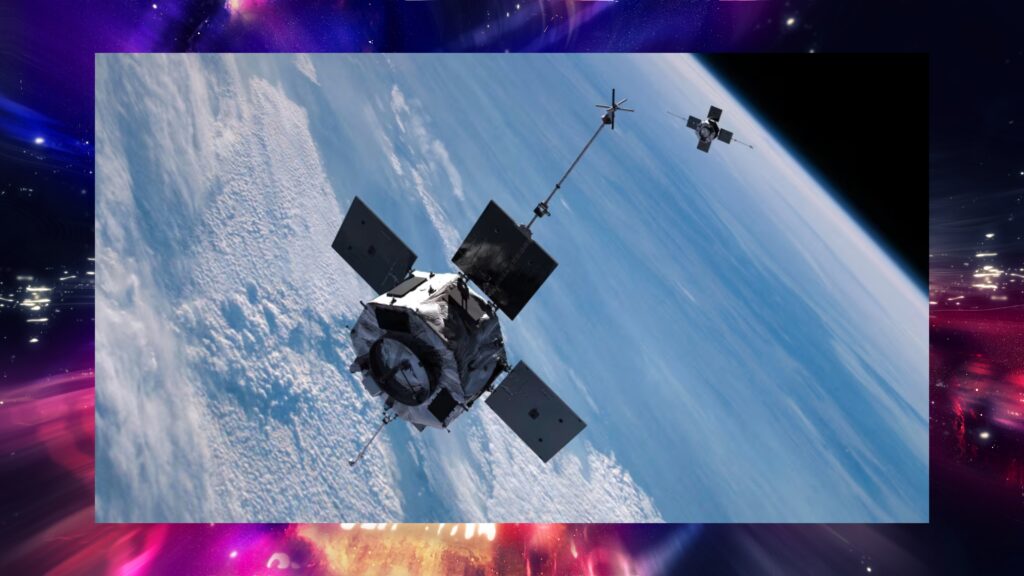
The spacecraft that returned to Earth was Van Allen Probe A, one of two satellites launched in 2012 to study the Van Allen radiation belts.
These belts are regions of high-energy particles trapped by Earth’s magnetic field. They stretch thousands of miles above the planet and act as a protective shield against harmful space radiation and solar storms.
Understanding how these radiation belts behave is important because they can affect satellites, astronauts, and technology in space.
The twin spacecraft studied these belts for several years and helped scientists better understand how charged particles move and change during solar events.
When and Where the NASA Spacecraft Reentered
The spacecraft fell back toward Earth at approximately 6:37 a.m. Eastern Time on Wednesday.
According to data cited by astrophysicist Jonathan McDowell, the spacecraft reentered the atmosphere above the Pacific Ocean, near the equatorial region south of Mexico and west of Ecuador.
Because the spacecraft fell over a remote ocean region, the likelihood of debris reaching populated areas was minimal.
At the time of reporting, there were no confirmed injuries or sightings of surviving debris.
Why the Spacecraft Returned Earlier Than Expected
When the Van Allen Probes were originally launched NASA Spacecraft, scientists estimated that the spacecraft would remain in orbit until around 2034.
However, the probe returned to Earth more than a decade earlier than expected due to stronger-than-anticipated solar activity.
In 2024, the Sun entered a period known as solar maximum, when solar storms and space weather events become more intense.
These conditions increased atmospheric drag on the NASA Spacecraft. As Earth’s atmosphere expands slightly during periods of strong solar activity, satellites in low orbit experience greater resistance, gradually pulling them closer to Earth.
Over time, this drag caused the spacecraft’s orbit to decay faster than scientists initially predicted.
How Dangerous Was the Reentry?
NASA Spacecraft estimated that the probability of debris hitting a person was roughly 1 in 4,200.
While that number may sound concerning at first, experts say it is still considered a very low risk.
Space debris specialist Darren McKnight explained that some previous spacecraft reentries carried even higher theoretical risks.
In some past events, the chance of debris striking someone was estimated to be 1 in 1,000, yet no injuries occurred.
For comparison, when Tiangong‑1 reentered Earth’s atmosphere in 2018, the risk of debris hitting a person was estimated at less than one in a trillion.
A Mission That Made Major Scientific Discoveries
During their operational years, the Van Allen Probes produced several groundbreaking scientific discoveries.
One of the most important findings was the detection of a temporary third radiation belt that appears during periods of intense solar activity.
This discovery helped scientists better understand how space weather interacts with Earth’s magnetic environment.
Such knowledge is essential for protecting satellites, astronauts, and communication systems that operate in space.
The mission officially ended in 2019 after both spacecraft ran out of fuel. However, they continued orbiting Earth until natural atmospheric drag slowly pulled them back toward the planet.
Why NASA Allows Some Spacecraft to Burn Up
NASA Spacecraft had always planned for the Van Allen Probes to reenter the atmosphere and burn up once their mission ended.
Mission planners carried out several maneuvers before the spacecraft were retired to ensure they would eventually descend safely. These steps included releasing leftover fuel and adjusting the orbit so atmospheric drag could gradually bring the spacecraft back down.
This process helps prevent abandoned satellites from remaining in orbit indefinitely, where they could collide with other spacecraft.
Such collisions can create dangerous debris that may threaten operational satellites or structures like the International Space Station.
Growing Concerns About Space Debris
NASA Spacecraft In recent years, experts have increasingly warned about the growing problem of space debris. As more satellites, rockets, and spacecraft are launched into orbit, the amount of leftover hardware circling Earth has steadily increased.
Specialists say that unmanaged debris in orbit can create a chain reaction of collisions, producing thousands of smaller fragments that could damage operational satellites or future missions.
Space debris expert Marlon Sorge noted that awareness about this issue has grown significantly since the Van Allen Probes were launched in 2012. Today, many satellite operators are designing spacecraft with stricter disposal plans to reduce the risk of debris surviving reentry.
Modern satellite missions increasingly include technologies that ensure spacecraft either burn up completely in the atmosphere or move into safer disposal orbits.
Why Graveyard Orbits Are Not a Perfect Solution
One possible way to deal with retired spacecraft is to move them into a graveyard orbit. These are designated areas of space where defunct satellites can remain far from active spacecraft.
However, experts point out that graveyard orbits are not a perfect solution. Even in these distant regions of space, collisions between inactive satellites can still occur, potentially creating debris that spreads into other orbits.
Because of these risks, many mission planners prefer controlled deorbiting, where spacecraft are guided safely back into Earth’s atmosphere.
For the Van Allen Probes, moving them to a graveyard orbit would have required using valuable fuel. Instead, NASA chose to use that fuel to extend the mission and gather more scientific data before the spacecraft eventually reentered naturally.
Spacecraft Reentries Are More Common Than Many Think
Although dramatic reentries sometimes make headlines, experts say they actually happen fairly often.
According to space tracking specialists, objects such as old rocket stages or inactive satellites reenter Earth’s atmosphere roughly once a week.
Most of these objects burn up completely during the intense heat of atmospheric reentry. In rare cases, small fragments survive and reach the ground, usually in remote areas or oceans.
There have been a few unusual incidents in recent years. In 2024, for example, a piece of discarded hardware from the International Space Station unexpectedly survived reentry and damaged the roof of a house in Florida.
Debris from private rocket launches has also occasionally been discovered in remote locations around the world.
Despite these events, injuries caused by falling space debris remain extremely rare.
The Future of the Van Allen Probes
Although Van Allen Probe A has now returned to Earth, its twin spacecraft, Van Allen Probe B, is still in orbit.
Scientists now believe that it could also reenter Earth’s atmosphere before 2030, earlier than originally predicted, due to the same solar activity that accelerated the first probe’s descent.
When that happens, it will likely follow a similar path—burning up during reentry and ending another chapter of a mission that significantly advanced our understanding of Earth’s space environment.
You may also like this : Vivo T5x 5G Launching in India
A Mission That Changed Our Understanding of Space
Even though its return to Earth came earlier than expected, the Van Allen Probes mission is widely regarded as a major scientific success.
The spacecraft provided valuable insights into the behavior of the Van Allen radiation belts, revealing how they change during solar storms and how they interact with Earth’s magnetic field.
These discoveries have helped scientists better understand how space weather can impact satellites, communication systems, and astronauts traveling beyond Earth.
As humanity continues to expand its presence in space, missions like the Van Allen Probes play an important role in making future exploration safer and more predictable.
For now, the dramatic plunge of Van Allen Probe A serves as both the end of a groundbreaking mission and a reminder of the challenges that come with managing the growing number of objects orbiting our planet.