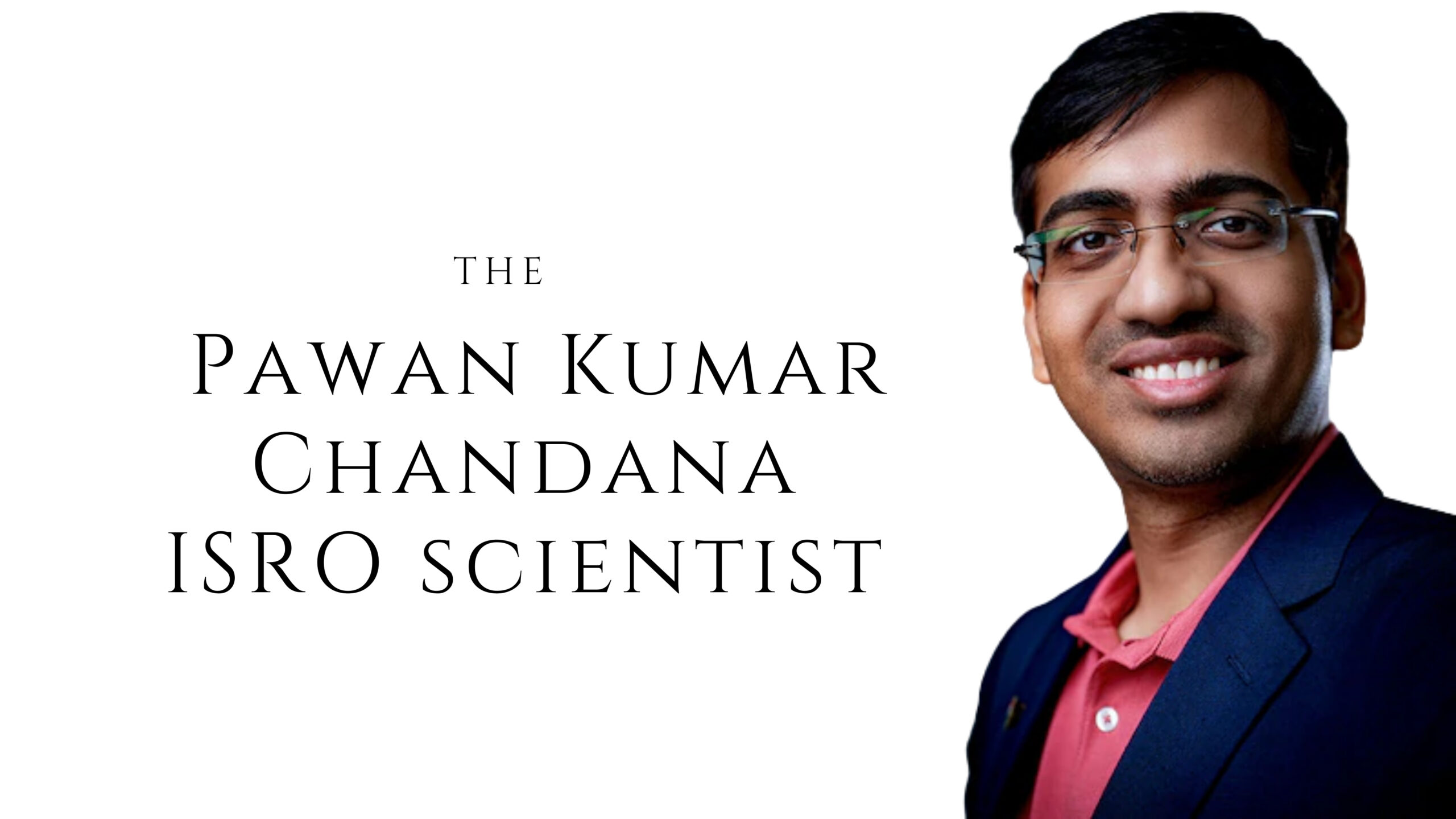
“Being an entrepreneur is far more fulfilling”: Skyroot’s Pawan Kumar Chandana on his journey from ISRO scientist to space startup founder
For Skyroot’s Pawan Kumar Chandana, the path from working as a scientist at Indian Space Research Organisation to co-founding a private space startup has been full of challenges, learning curves, and big ambitions. Today, as the co-founder of Skyroot Aerospace, Chandana says entrepreneurship has given him a sense of fulfilment that goes far beyond his earlier career.
Speaking about his journey, Chandana reflected on how his years at ISRO shaped his understanding of space technology while also inspiring him to explore new possibilities in the private sector.
From government scientist to startup founder : Skyroot’s Pawan Kumar Chandana
Before launching Skyroot Aerospace, Chandana spent several years working at ISRO, where he was involved in advanced rocket technologies. His experience in India’s premier space agency gave him a deep understanding of launch systems, spacecraft engineering, and the complexities involved in space missions.
Skyroot’s Pawan Kumar Chandana
But over time, he felt the urge to build something independently. The global space industry was rapidly evolving, and private companies were beginning to play a larger role in launching satellites and developing new technologies.
That shift encouraged Chandana and his co-founders to take the leap into entrepreneurship.
“Being an entrepreneur is far more fulfilling,” he said, noting that building a company from the ground up allows for faster innovation and greater freedom to experiment with new ideas.
Building a private launch company in India
Founded in 2018, Skyroot Aerospace is among the first Indian private companies working to develop launch vehicles for small satellites. The company aims to make access to space more affordable and efficient.
The startup gained national attention after successfully launching Vikram-S, India’s first privately developed rocket, marking a milestone for the country’s growing private space sector.
The company’s broader goal is to build a family of rockets under the Vikram series launch vehicles, designed to carry satellites into orbit with greater flexibility and lower costs.
Learning from failure and innovation : Skyroot’s Pawan Kumar Chandana
Chandana believes that one of the biggest differences between traditional space programs and startups is the pace of innovation. In the startup ecosystem, he says, rapid learning and continuous experimentation are essential.
“There is always a learning curve,” he explained, adding that every test, success, or failure offers valuable insights that help improve future technologies.
This mindset has helped Skyroot move quickly in developing new launch systems while competing in an increasingly crowded global space industry.
Focus on reusable launch vehicles : Skyroot’s Pawan Kumar Chandana
One of the key areas Chandana is particularly passionate about is reusable rocket technology. Reusability has the potential to dramatically reduce the cost of space launches by allowing parts of rockets to be used multiple times.
Companies around the world are investing heavily in this technology, and Skyroot is also exploring ways to develop reusable systems for future missions.
According to Chandana, reusable launch vehicles could play a crucial role in making space missions more sustainable and economically viable.
The growing importance of space sustainability
As more satellites are launched into orbit, concerns about space debris and long-term sustainability are growing. Chandana says the industry must address these issues proactively.
He believes that responsible satellite deployment, debris management, and innovative engineering solutions will be critical to ensuring that space remains accessible for future generations.
India’s private space sector is taking off
Chandana is optimistic about the future of India’s private space industry. In recent years, policy changes have opened the door for startups to participate in space missions and launch services.
This shift has created opportunities for companies like Skyroot to collaborate with government agencies, commercial satellite operators, and international partners.
For Chandana, the journey from scientist to entrepreneur has been both challenging and rewarding.
“Entrepreneurship pushes you to think bigger and move faster,” he said. And as India’s space startup ecosystem continues to grow, pioneers like him are helping shape the next chapter of the country’s space ambitions.
Chandana believes that one of the biggest differences between traditional space programs and startups is the pace of innovation. In the startup ecosystem, he says, rapid learning and continuous experimentation are essential.
Before launching Skyroot Aerospace, Chandana spent several years working at ISRO, where he was involved in advanced rocket technologies. His experience in India’s premier space agency gave him a deep understanding of launch systems, spacecraft engineering, and the complexities involved in space missions.